Get ready for an unforgettable journey deep into the wild, untouched corners of the Himalayas with our 6 Nights / 7 Days Zanskar Valley Tour from Manali. This adventure takes you through the scenic Lahaul Valley and across the high-altitude Shinkula Pass (16,580 ft) into the remote and magical land of Zanskar — a region known for its ancient monasteries, dramatic landscapes, and peaceful mountain life.
Along the way, you’ll visit charming villages like Purne and Kargyak, hike to the spectacular Phuktal Monastery built into a cliff, and spend a night under the stars next to the sacred Gonbo Rangjon Rock. You’ll also explore majestic monasteries like Karsha and Stongde, and witness the stunning Drang Drung Glacier from the iconic Pensi La Pass.
Whether you’re seeking quiet moments in nature, cultural insights, or just an offbeat Himalayan adventure, this tour offers a perfect blend of raw beauty, local charm, and peaceful escapes — far away from the tourist crowds.
Price Includes
Price Excludes
Brace yourself for an extraordinary journey into one of the most remote and untouched regions of the Indian Himalayas — Zanskar Valley. This 6N/7D adventure from Manali takes you beyond the usual tourist trails, across high-altitude mountain passes, sacred rock formations, ancient monasteries, and glacier-fed rivers. Raw, rugged, and breathtakingly beautiful, Zanskar is perfect for thrill-seekers, culture lovers, and those who crave true Himalayan solitude.
Your journey into the remote landscapes of Zanskar begins from the beautiful hill town of Manali. After meeting our representative, begin the scenic drive toward Lahaul Valley, crossing one of the most remarkable engineering projects in the Himalayas.
The first highlight of the journey is the famous Atal Tunnel, a 9-kilometer-long highway tunnel built beneath the Pir Panjal mountain range. Located at an altitude of around 10,000 feet, the tunnel connects Manali with the remote Lahaul Valley and significantly reduces travel time between the two regions.
As you emerge from the tunnel, the landscape changes dramatically. The lush forests of Kullu Valley give way to the stark, dramatic mountains of Lahaul, marking the beginning of the cold desert region.
Shortly after crossing the tunnel, you will reach the scenic village of Sissu. The village is famous for the beautiful Sissu Waterfall that cascades down a steep mountain face.
With snow-capped peaks in the background and green fields in the foreground, Sissu offers one of the most photogenic landscapes in the Lahaul region.
Continue the journey toward Tandi, where the Chandra and Bhaga rivers meet to form the mighty Chenab River. This sacred confluence, known as Tandi Sangam, is considered spiritually significant and also offers a spectacular natural setting.
The road then passes through Keylong, the administrative center of Lahaul Valley. The town is known for its monasteries, traditional Himalayan culture, and small cafés where travelers often stop for refreshments.
By evening, arrive at the peaceful alpine village of Jispa located along the banks of the Bhaga River. Surrounded by towering mountains and open valleys, Jispa serves as an ideal acclimatization stop before entering the higher altitudes of Zanskar.
Check into your hotel or riverside camp and relax.
Overnight Stay: Jispa
Tip: Drink plenty of water and rest well to adjust to the increasing altitude.
After an early breakfast, prepare for one of the most adventurous drives of the entire journey. Today you cross the mighty Shinkula Pass, which connects the Lahaul Valley with the remote Zanskar region.
Shinkula Pass is one of the newest high-altitude road connections in the Himalayas. Located at an elevation of over 16,500 feet, the pass offers breathtaking panoramic views of glaciers, rugged mountain peaks, and vast barren valleys.
The landscape here feels untouched and wild, giving travelers a true sense of the remoteness of the Trans-Himalayan region.
After crossing Shinkula Pass, the road descends into the mystical landscapes of Zanskar Valley. The terrain becomes even more dramatic with towering cliffs, winding rivers, and isolated settlements.
Along the route you will pass through small Zanskari villages such as Kargyak, Thorang, and Tangze. These remote settlements are known for their traditional mud-brick houses, prayer flags fluttering in the wind, and yak grazing in the surrounding fields.
The villages offer a glimpse into the simple and resilient lifestyle of the Zanskari people who have lived in this harsh environment for centuries.
By afternoon or evening, arrive at the peaceful village of Purne located near the Tsarap River. The village is surrounded by rocky cliffs and pristine mountain landscapes.
Purne serves as the base point for visiting the famous Phuktal Monastery and is one of the most tranquil locations in the Zanskar region.
Check into your homestay or campsite and enjoy a warm local meal.
Overnight Stay: Homestay / Camp in Purne
Altitude Note: Purne is located at around 12,000 feet. Stay warm, hydrate well, and take proper rest.
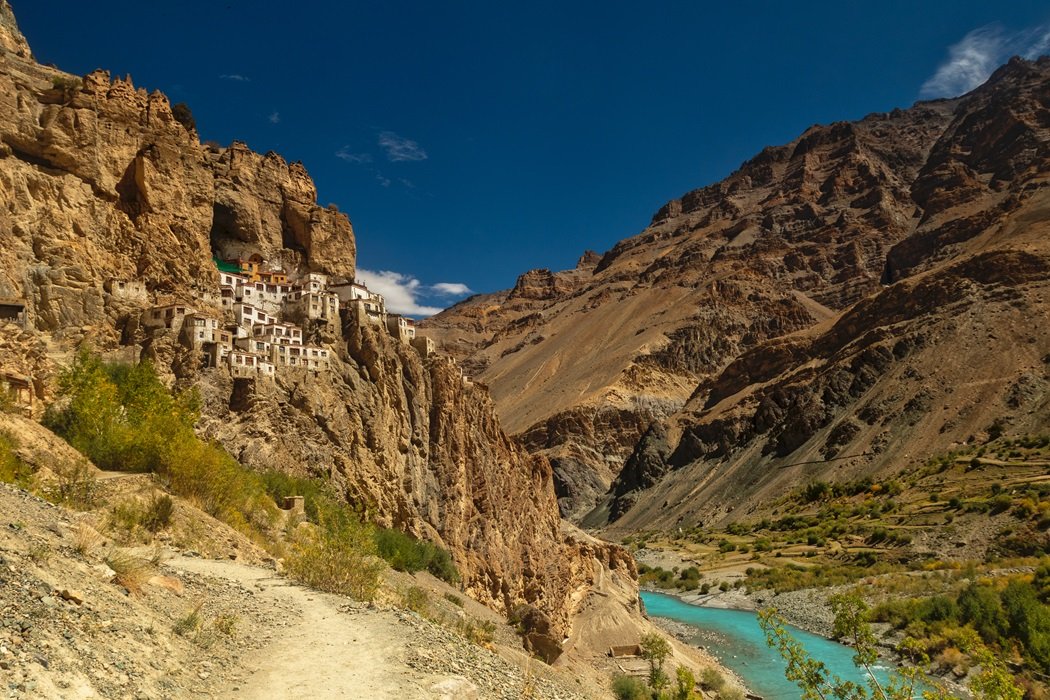
Wake up to a peaceful morning in Purne, surrounded by the untouched landscapes of Zanskar Valley. After breakfast, travelers have the option to take one of the most unique short treks in the Himalayas – the journey to the famous Phuktal Monastery.
The trail from Purne to Phuktal follows rugged mountain paths along the Tsarap River. The moderate trek takes you through dramatic canyon landscapes and narrow trails carved into the mountains.
At the end of the trail lies Phuktal Monastery (Phuktal Gompa), one of the most extraordinary monasteries in the Himalayas. Built into a natural cave on a cliffside, the monastery appears to emerge directly from the rock face.
Founded centuries ago, the monastery is home to a community of monks who live in quiet meditation and spiritual practice. The architecture, prayer halls, and cave chambers create a mystical and deeply peaceful atmosphere.
The sound of the flowing river below combined with the prayer chants of monks creates a truly unforgettable experience.
After returning to Purne from the monastery trek, resume your journey toward Padum, the administrative and cultural center of Zanskar Valley.
The drive passes through dramatic landscapes including deep gorges, small green patches of farmland, and traditional Zanskari villages where prayer flags flutter in the wind.
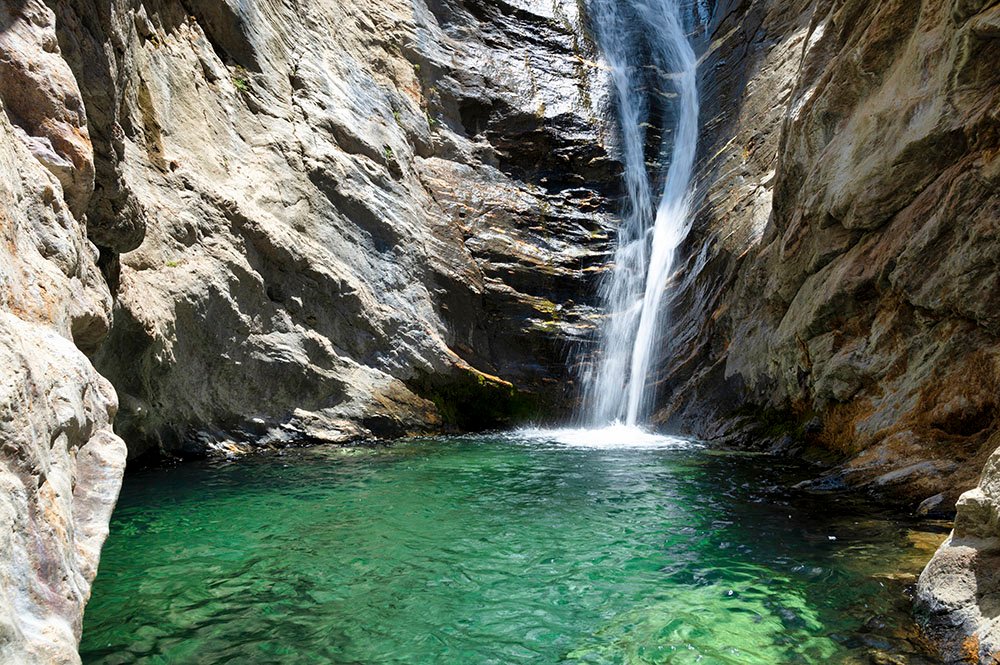
On the way to Padum, take a refreshing stop at Sheela Waterfall. This beautiful cascade flows down rocky cliffs surrounded by alpine vegetation and offers a peaceful natural setting for travelers.
Before reaching Padum, visit Karsha Monastery, the largest and most influential monastery in Zanskar Valley. Founded in the 11th century, Karsha Gompa sits dramatically against the mountainside overlooking the valley.
The monastery complex consists of whitewashed buildings, prayer halls, monk residences, and ancient murals reflecting the deep Buddhist traditions of the region.
Another remarkable monastery in the region is Stongdey Gompa, located on a hilltop overlooking the valley. The monastery offers spectacular views of the surrounding mountains and a quiet environment for meditation and reflection.
Compared to other monasteries, Stongde is less crowded, allowing visitors to experience the peaceful atmosphere of Zanskar’s spiritual culture.
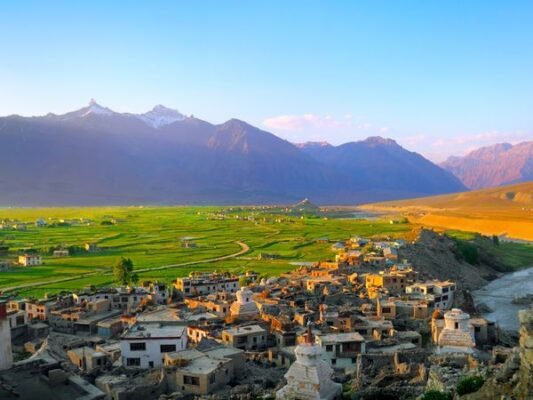
By evening, arrive in Padum, the main town of Zanskar Valley. Despite being small and remote, Padum serves as the central hub for travelers exploring the region.
The town features small markets, local restaurants, monasteries, and traditional houses that reflect the lifestyle of the Zanskari community.
Check into your hotel or guesthouse and relax.
Overnight Stay: Padum
After breakfast, begin a scenic excursion toward the upper Zanskar region where some of the most breathtaking landscapes of Ladakh await.
The journey takes you through high mountain passes, glacier viewpoints, and historic monasteries.
The first stop is Sani Village, home to one of the oldest monasteries in Ladakh – Sani Gompa. The monastery sits near a peaceful lake surrounded by mountains.
Sani Monastery is believed to be one of the earliest Buddhist sites in the region and holds deep spiritual significance.
Continue the drive toward Pensi La Pass, the gateway that connects Zanskar with the Suru Valley region.
Located at an altitude of over 14,000 feet, the pass offers spectacular views of snow-covered peaks and wide mountain valleys.
The high-altitude environment makes this location a paradise for photographers and nature lovers.
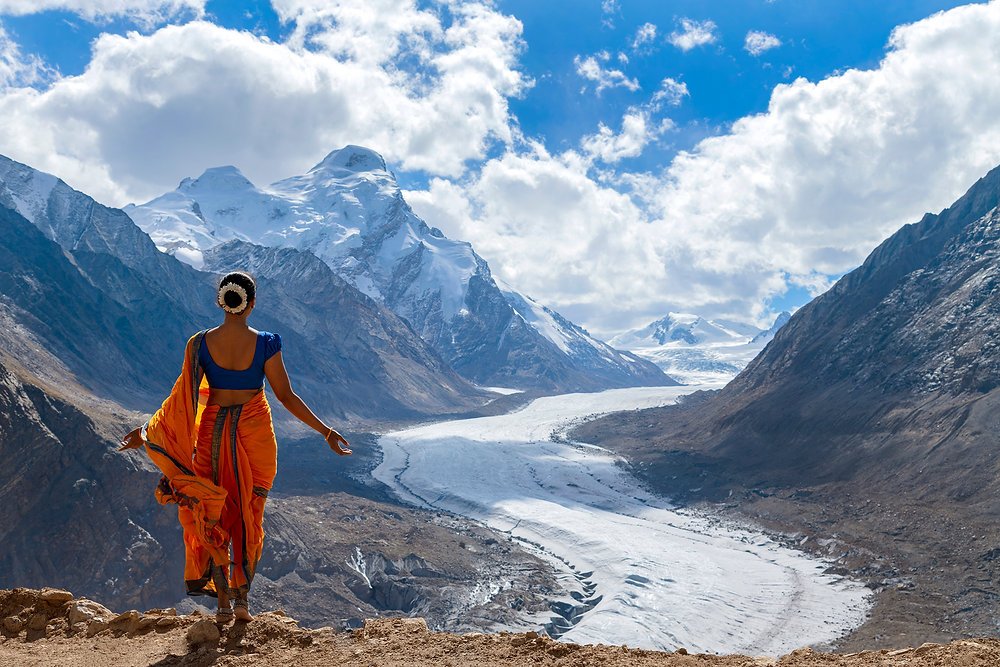
From the viewpoint at Pensi La, travelers can witness the magnificent Drang Drung Glacier, one of the largest glaciers in Ladakh.
The glacier stretches across the mountains like a frozen river and forms the source of several streams feeding the valley below.
The vast white expanse of ice against the rugged mountain backdrop creates one of the most dramatic landscapes in the Himalayas.
Further along the route lies Rangdum Monastery, perched on a hill in the middle of a vast mountain plain. The monastery stands isolated in the high-altitude desert landscape, creating a surreal and peaceful atmosphere.
The surrounding scenery of glaciers, mountains, and open valleys makes Rangdum one of the most photogenic locations in Zanskar.
After exploring the region, return to Padum by evening.
Overnight Stay: Padum
Tip: Carry snacks, water, and warm clothing for the full-day excursion as facilities are limited along the route.
After breakfast in Padum, begin the return journey toward Lahaul Valley. The drive takes you once again through the dramatic landscapes of Zanskar, passing remote villages, rugged mountain valleys, and vast open plains.
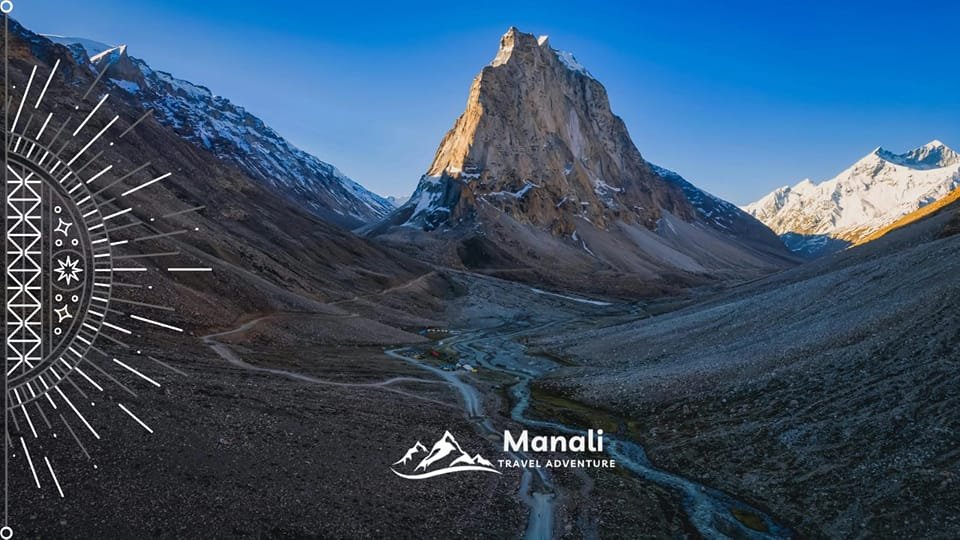
Today’s highlight is a visit to one of the most mystical locations in the Zanskar region – Gonbo Rangjon.
Gonbo Rangjon is a striking black mountain that rises dramatically from the valley floor. Unlike surrounding peaks, this mountain stands alone in perfect symmetry, creating a powerful visual and spiritual presence.
The mountain holds deep religious significance for both Buddhists and Hindus, and is often referred to as “God’s Mountain.” Many travelers describe the place as having a unique spiritual energy.
The surrounding valley offers a vast open landscape with panoramic views of the Himalayas. The peaceful environment and the towering presence of the sacred mountain make this one of the most memorable stops of the journey.
By evening, settle into your campsite near Gonbo Rangjon. The remote location and absence of light pollution make this one of the best places for stargazing in the entire Zanskar region.
As night falls, the sky fills with countless stars and the Milky Way becomes clearly visible above the mountain landscape.
Enjoy a peaceful evening by the camp, surrounded by the silence and beauty of the Himalayas.
Overnight Stay: Camp near Gonbo Rangjon
Wake up to the crisp mountain air and peaceful views of Gonbo Rangjon. After breakfast, begin the drive back toward Lahaul Valley.
The journey once again crosses the high-altitude Shinkula Pass located at around 16,580 feet above sea level.
From the top of the pass, travelers can enjoy sweeping views of rugged Himalayan peaks, glacial valleys, and the vast landscapes of the Trans-Himalayan region.
The drive across the pass is one of the most adventurous parts of the journey, offering countless scenic viewpoints along the way.
After crossing the pass, the road gradually descends into the Lahaul Valley. The scenery slowly changes from the stark desert terrain of Zanskar to the greener landscapes surrounding the Bhaga River.
Along the route, travelers pass through remote mountain villages and river valleys that showcase the natural beauty of the Lahaul region.
By late afternoon or evening, arrive back in the peaceful village of Jispa. After several days exploring the remote regions of Zanskar, Jispa provides a comfortable place to rest and recover.
Check into your hotel or camp and enjoy a warm meal while relaxing by the river.
Overnight Stay: Jispa
After breakfast, begin the final leg of your Himalayan journey as you travel from Jispa back to Manali.
The road follows the scenic Bhaga River valley and passes through several charming villages including Keylong, Tandi, and Sissu.
The journey once again passes through the Atal Tunnel, marking the transition from the rugged landscapes of Lahaul back into the lush green valleys of Kullu.
Upon exiting the tunnel, the forests and rivers of Manali welcome you back from your remote Himalayan adventure.
By evening, reach Manali where our team will drop you at your hotel or the Manali Volvo Bus Stand.
Your Zanskar Valley expedition concludes with unforgettable memories of high mountain passes, ancient monasteries, sacred peaks, and the breathtaking landscapes of the Himalayas.
The best time for this tour is mid-June to late September, when the Shinkula Pass is open and the weather is relatively stable. This is also when the roads are accessible, and you can enjoy clear skies and vibrant landscapes.
Currently, Indian citizens do not need a special permit to enter Zanskar via Shinkula Pass from Manali. However, foreign nationals may require Inner Line Permits (ILPs) depending on the route. We assist all travelers with updated guidance and any paperwork needed.
Zanskar is a remote and high-altitude region with basic facilities, long drives, and rough roads. It’s ideal for adventure lovers, bikers, trekkers, or offbeat travelers. Families with young children or elderly members should prepare accordingly and consult us before booking.
You’ll experience a mix of riverside camps, guesthouses, and homestays in remote villages like Jispa, Purne, Padum, and Gonbo Rangjon. Facilities are clean and comfortable but basic — part of the charm of exploring untouched regions like Zanskar.
Mobile signals are very limited. BSNL postpaid may work in some places like Padum, but don’t expect regular network or internet access. We recommend informing loved ones in advance and enjoying the digital detox!
+91700-9597-673
rsv@manalitraveladventure.com